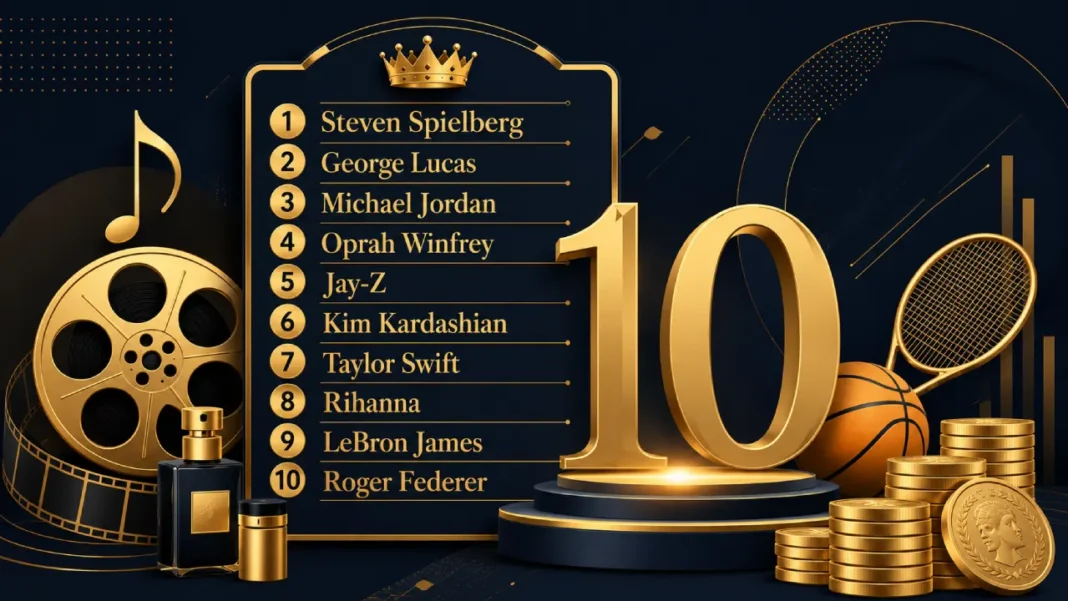
Fame alone rarely creates billionaire wealth. Instead, celebrity entrepreneurship and net worth go hand in hand — the richest stars turn visibility into asset ownership, equity stakes, and lasting business empires. Steven Spielberg and George Lucas top 2026’s ranking at $5.5 billion each, and both built their fortunes on film catalogs and company ownership rather than salary. This list, anchored in Forbes’ 2026 celebrity billionaire data, ranks the top 10 richest celebrity entrepreneurs. It also explains exactly how each one turned fame into a lasting fortune. In fact, some of the biggest names here overlap with the world’s richest celebrity power couples, where combined wealth adds another layer to the numbers.
What This Ranking Measures
Net worth is the total value of a person’s assets — cash, equity, real estate, and investments — minus what they owe. It is not the same as income. Many celebrities earn tens of millions a year from touring, acting, or endorsements, but they never reach billionaire status, because that income doesn’t convert into owned assets.
A celebrity entrepreneur is someone whose fame gave them a platform, but whose wealth comes mainly from businesses they own, founded, or hold significant equity in. This ranking excludes celebrities who are simply high-earning employees or performers, since they earn almost entirely from salary rather than ownership. For a deeper breakdown of the methodology, see how celebrity net worth is calculated more generally.
Why the Numbers Vary Across Sources
The net worth estimates below draw on Forbes’ 2026 celebrity billionaire research, public company filings, and reported deal values. Confirmed transactions, like Lucasfilm’s sale to Disney, are more reliable than estimated valuations of private equity stakes, since those shift as markets move. It’s also common to see different outlets land on different numbers for the same person. For example, Forbes, Bloomberg, and Celebrity Net Worth don’t always agree, especially for entrepreneurs whose wealth sits mostly in a privately held company. Kim Kardashian, for instance, is estimated anywhere from $1.7 billion to $1.8 billion, depending on how SKIMS is valued at the time of publication. So treat the figures throughout this piece as informed estimates, not exact totals.
Overall, the 2026 Forbes list grew to 22 celebrity billionaires worth a combined $48.1 billion, up from 18 billionaires worth $39 billion the year before. That growth comes from something more durable than a good year in the market: compounding equity ownership across entertainment, consumer brands, and media rights.
Top 10 Richest Celebrity Entrepreneurs by Net Worth
Below is the 2026 ranking, with each entry’s primary wealth source, so you can see exactly how entrepreneurship — not just fame — produced the fortune.
Table: Celebrity Entrepreneurship and Net Worth – The Top 10 in 2026
| Rank | Name | Estimated Net Worth | Primary Wealth Source |
|---|---|---|---|
| 1 | Steven Spielberg | $5.5 billion | Film catalog, DreamWorks sale, Amblin Entertainment equity |
| 2 | George Lucas | $5.5 billion | Sale of Lucasfilm to Disney, Star Wars franchise rights |
| 3 | Michael Jordan | $3.5 billion | Nike/Jordan Brand royalties, sale of Charlotte Hornets stake |
| 4 | Oprah Winfrey | $3 billion | OWN network, WeightWatchers stake, Harpo Productions |
| 5 | Jay-Z | $2.5 billion | Roc Nation, Armand de Brignac champagne, D’Ussé cognac, investments |
| 6 | Kim Kardashian | $1.7–1.8 billion | SKIMS shapewear, SKKN beauty, endorsement equity |
| 7 | Taylor Swift | $1.6 billion | Music catalog ownership, Eras Tour earnings, re-recorded masters |
| 8 | Rihanna | $1.4 billion | Fenty Beauty (LVMH stake), Savage X Fenty |
| 9 | LeBron James | $1.2 billion | SpringHill Company, Blaze Pizza stake, Liverpool FC stake, endorsements |
| 10 | Roger Federer | $1 billion | On running shoe stake, endorsement deals, sports ventures |
Steven Spielberg
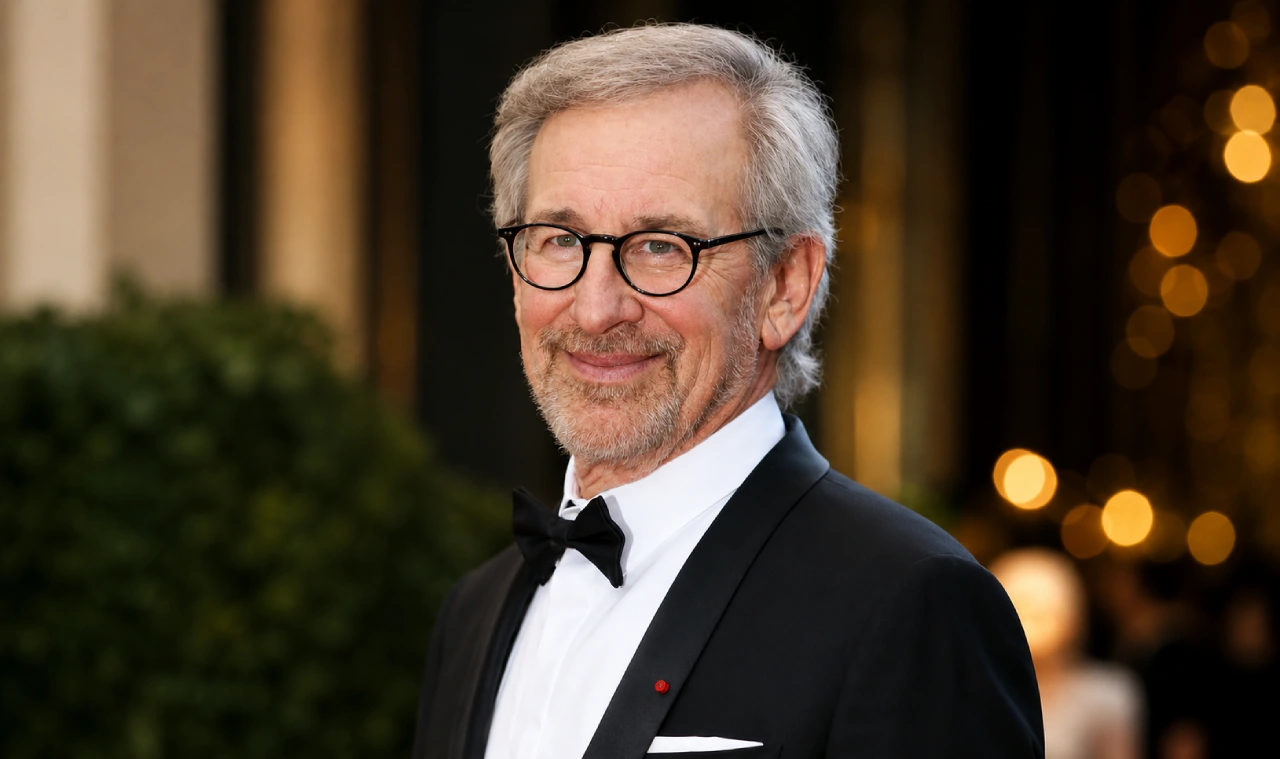
Spielberg’s fortune comes from decades of film royalties and a share of box-office profits. Co-founding DreamWorks and later selling it to Viacom brought in a huge one-time payout. Meanwhile, his ongoing stake in Amblin Entertainment, plus a deep catalog of hit films, still pays him today. Few filmmakers have turned creative work into long-term ownership this completely.
George Lucas
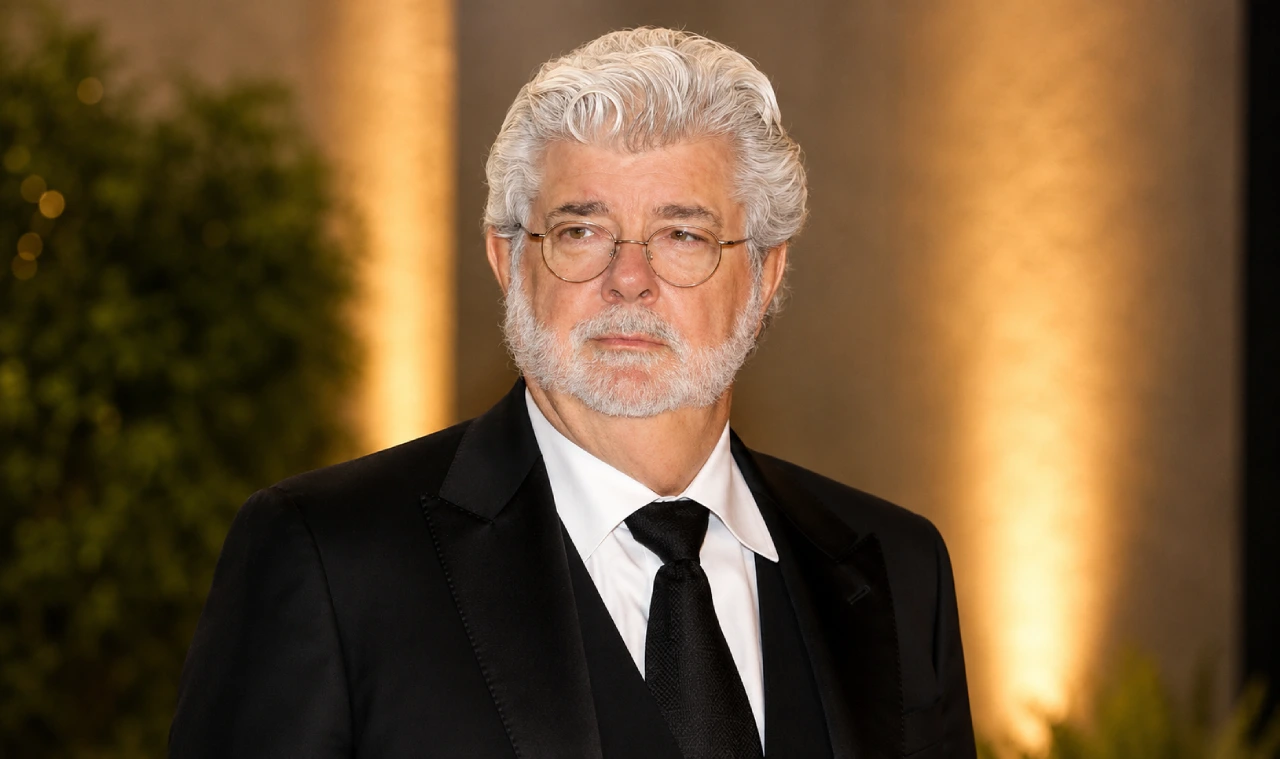
Lucas built the purest example of intellectual-property wealth on this list. He sold Lucasfilm to Disney for $4 billion in 2012, and because he owned it outright beforehand, he kept the full value of Star Wars and Indiana Jones for himself.
Michael Jordan
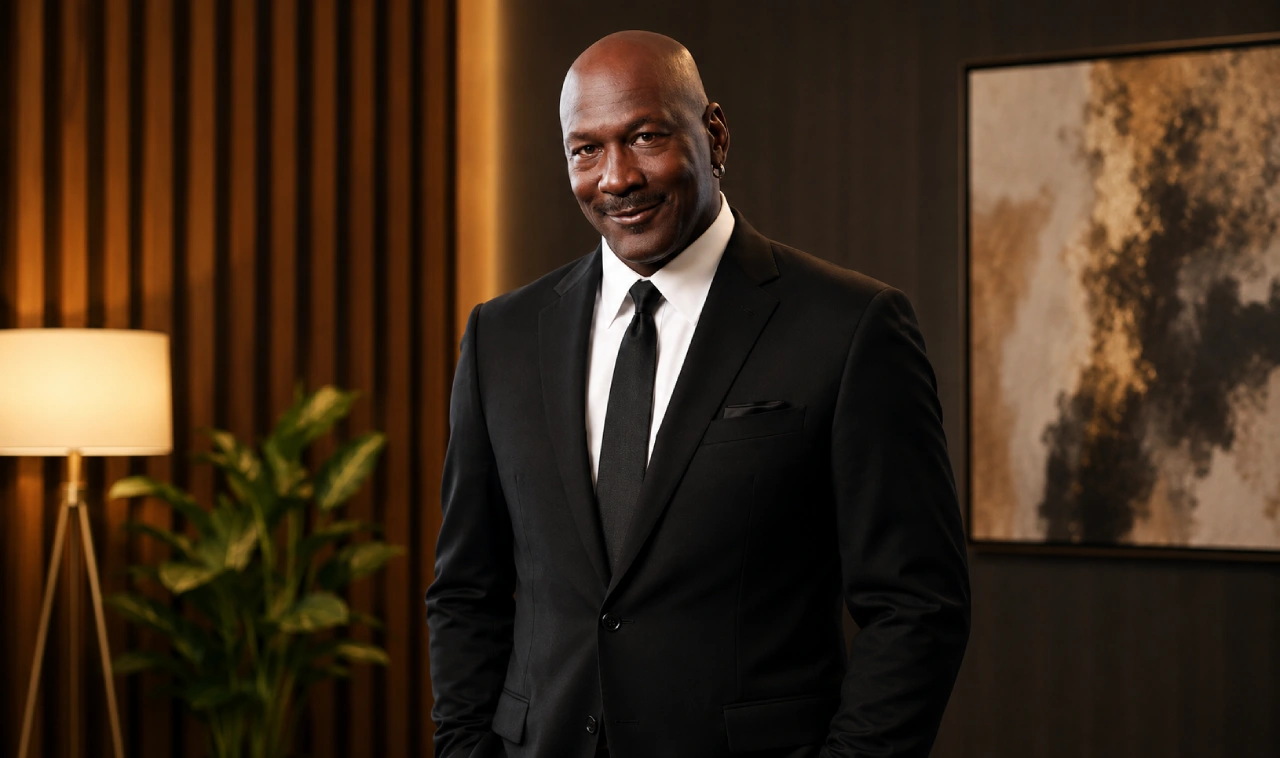
Jordan’s wealth centers on his stake in the Jordan Brand at Nike, which brings in an estimated $5 billion a year in revenue and pays him ongoing royalties. In addition, selling his majority stake in the Charlotte Hornets in 2023 added hundreds of millions more. Endorsement checks alone could never have built this; owning a piece of a global brand did.
Oprah Winfrey
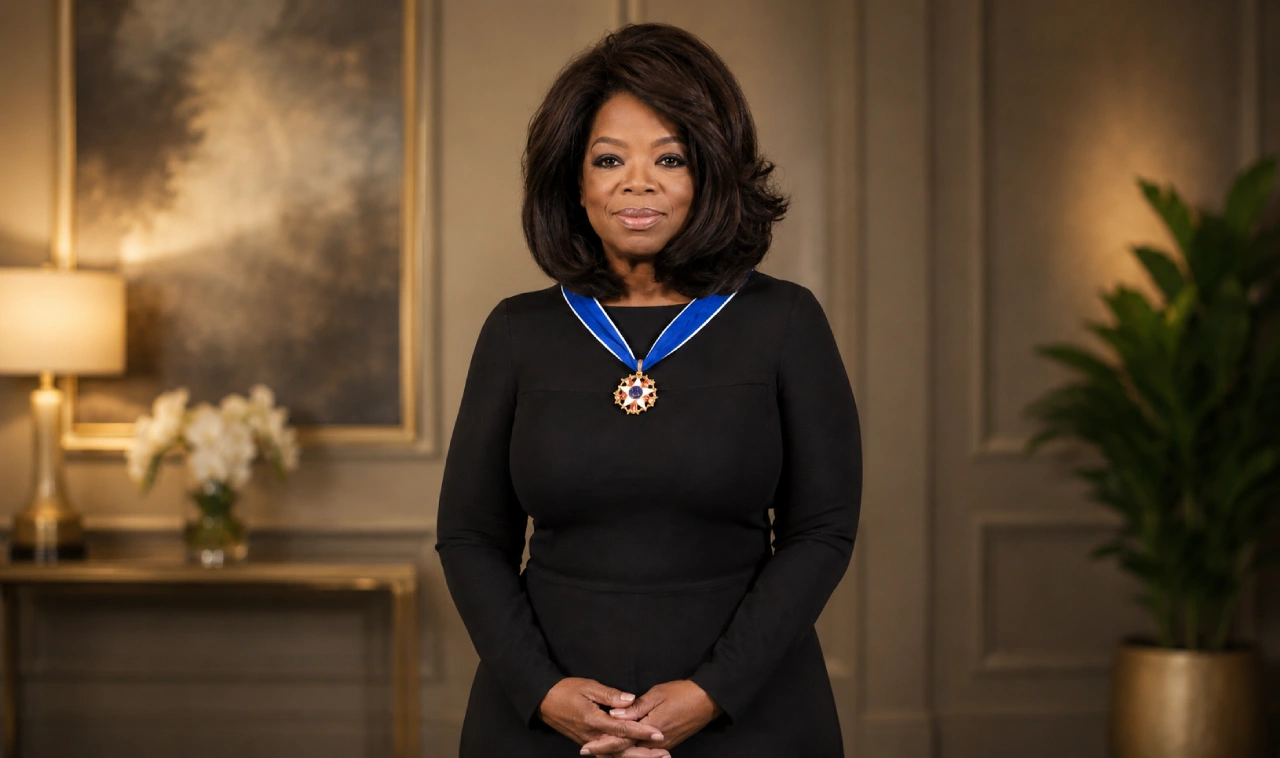
Winfrey turned her talk-show fame into full ownership of Harpo Productions, giving her control over her own content and syndication rights. Her stake in WeightWatchers, where she also served on the board, significantly grew her net worth before a partial exit. On top of that, her ownership of the OWN network adds further ongoing value.
Jay-Z
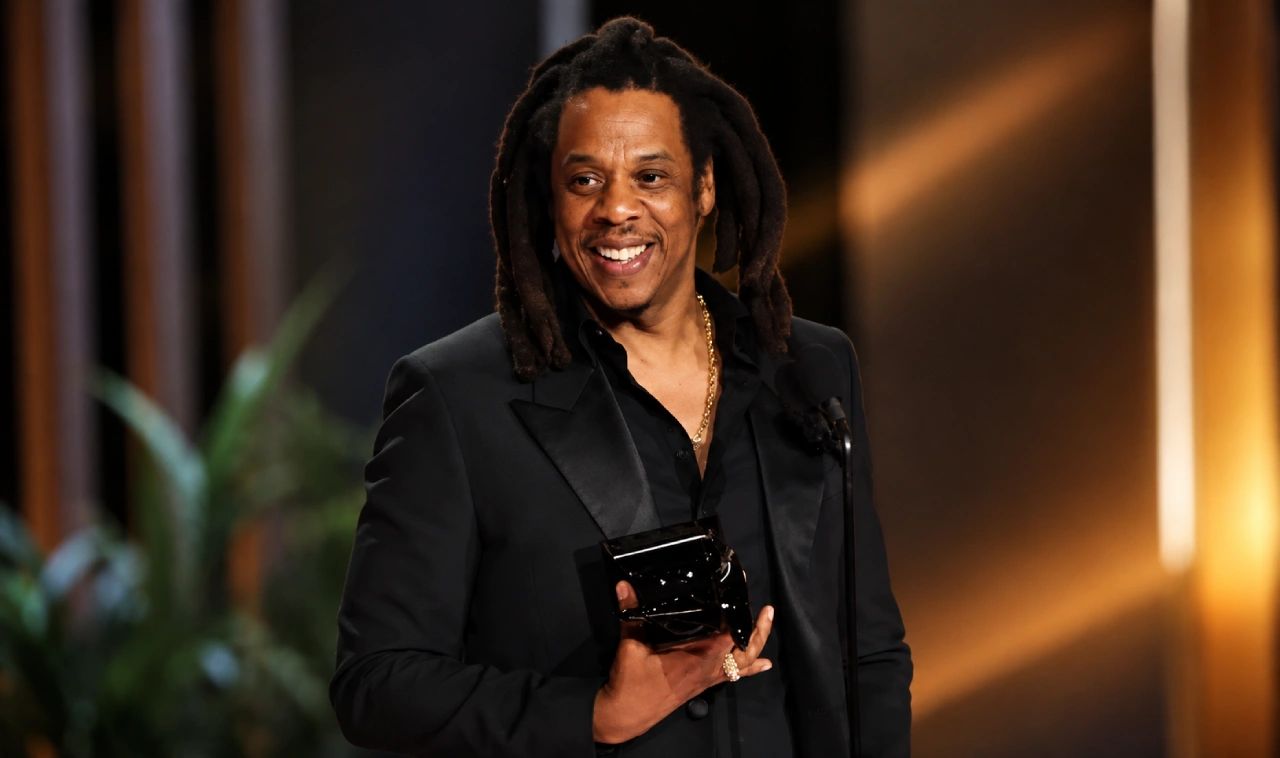
Jay-Z’s wealth spans music, spirits, and artist management. He built Roc Nation into a full entertainment company, sold a stake in D’Ussé cognac for a reported $750 million, and sold Armand de Brignac champagne to LVMH in a deal valuing the brand above $600 million. He has also diversified into venture capital through Marcy Venture Partners, the investment firm he co-founded. As a result, his portfolio now includes a wide range of startup stakes, and ownership of his own music catalog adds further long-term value.
Kim Kardashian
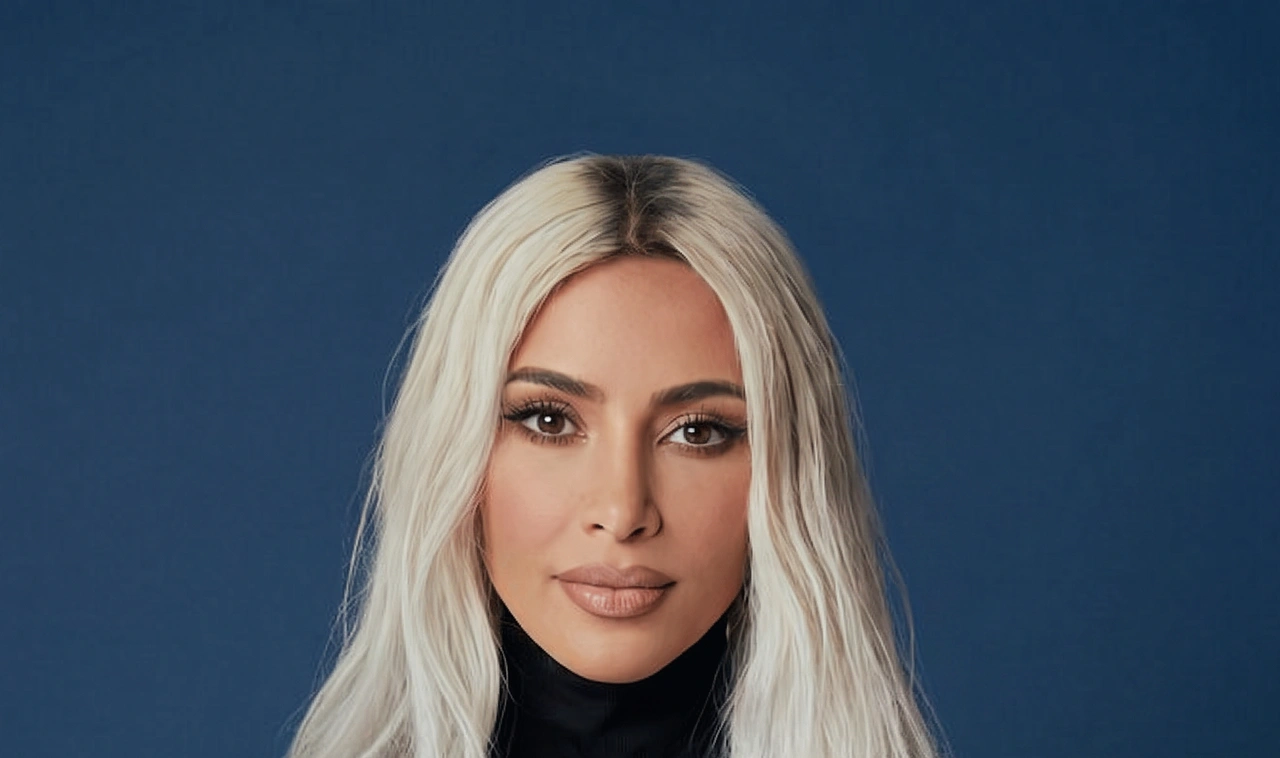
Kardashian’s SKIMS shapewear brand reached a $4 billion valuation in 2023, giving her a substantial ownership stake. SKKN beauty and past endorsement deals add to her wealth, but SKIMS is the core asset. Estimates of her total net worth vary by source, generally landing between $1.7 billion and $1.8 billion. Overall, her fortune shows how fast media fame can turn into a real consumer brand with lasting value.
Taylor Swift
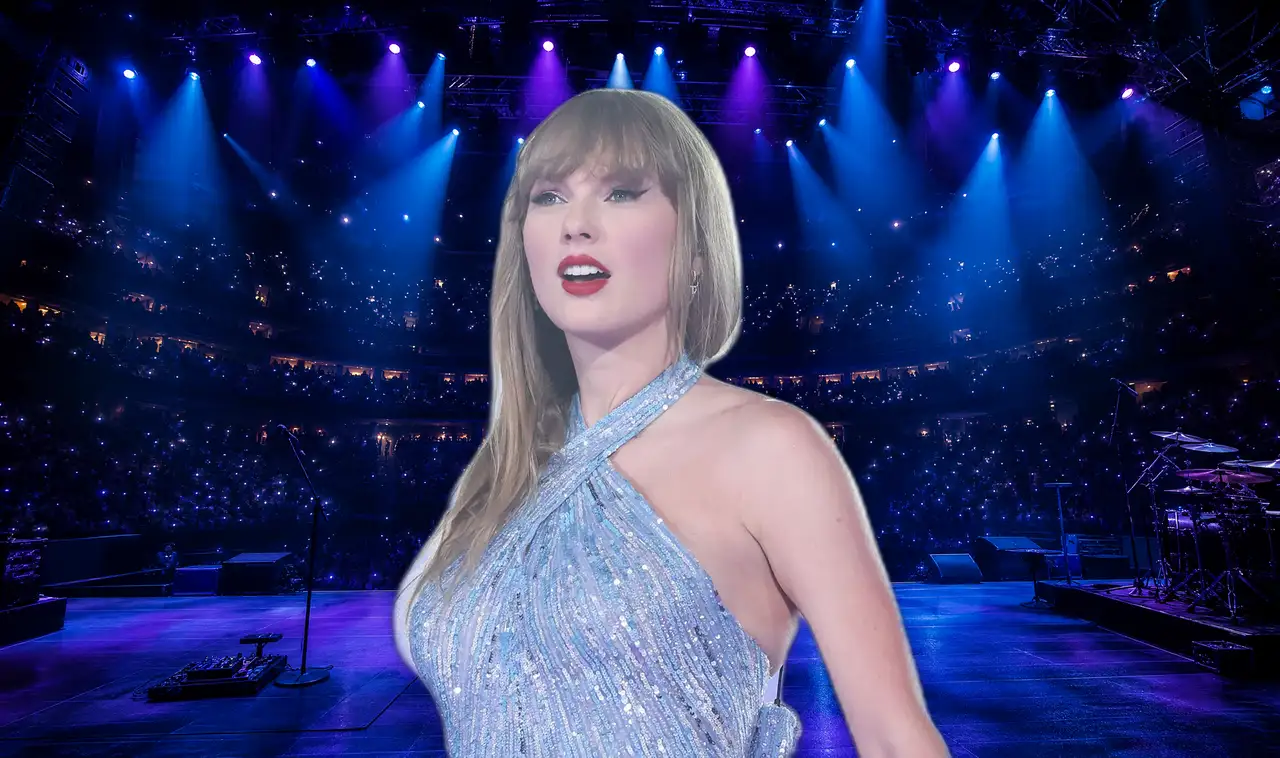
Swift’s billionaire status rests on two moves: a record-breaking touring model, and re-recording her first six albums to own the masters herself. The Eras Tour became the highest-grossing tour ever, bringing in over $1 billion in ticket sales. Meanwhile, her catalog ownership keeps paying out through streaming royalties.
Rihanna
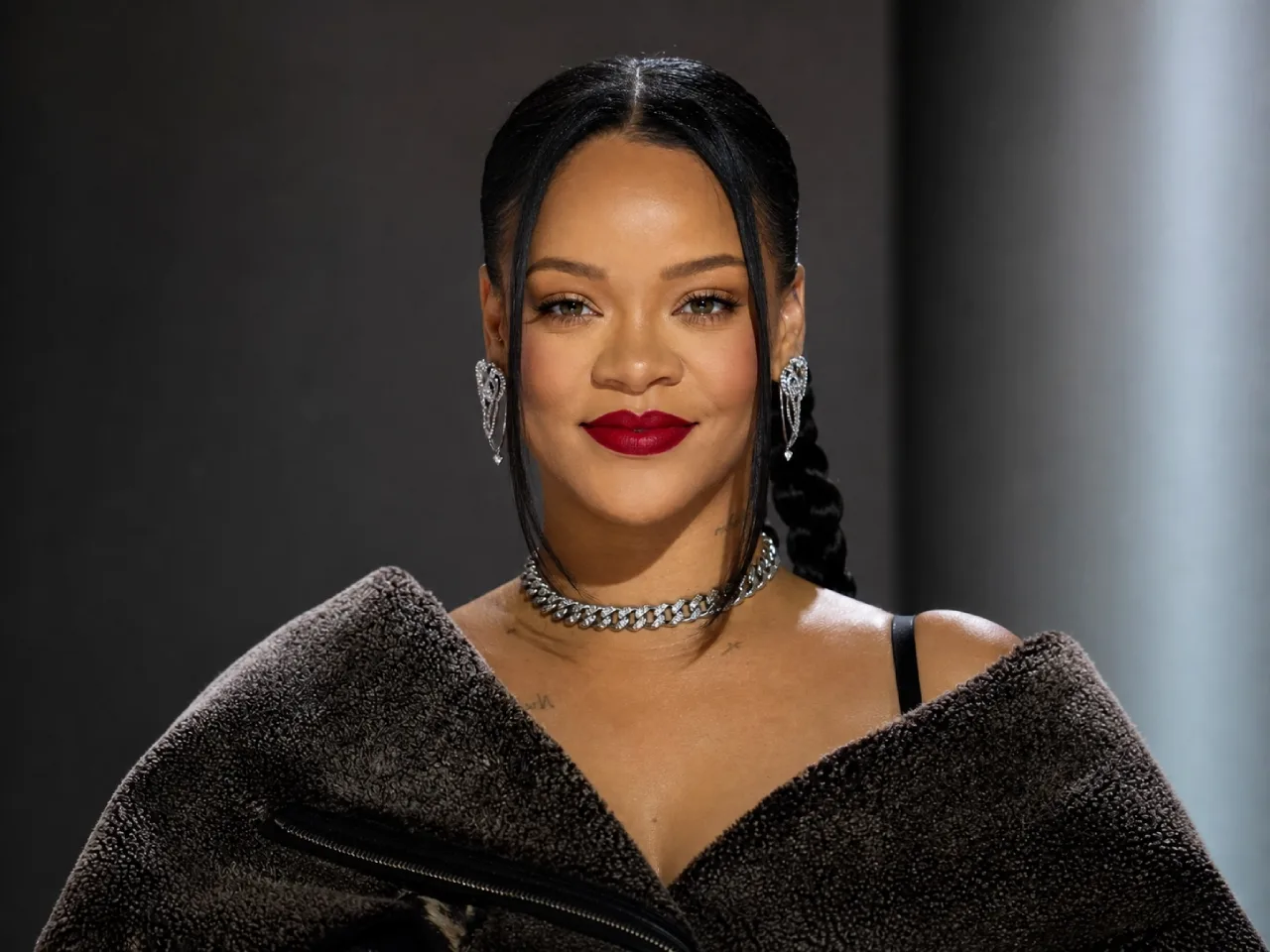
Rihanna launched Fenty Beauty with LVMH, disrupting the cosmetics industry and bringing in over $600 million in annual revenue early on. She holds a meaningful ownership stake in the brand. Additionally, Savage X Fenty lingerie adds a second revenue stream. Both brands benefit from an experienced corporate partner backing their growth.
LeBron James
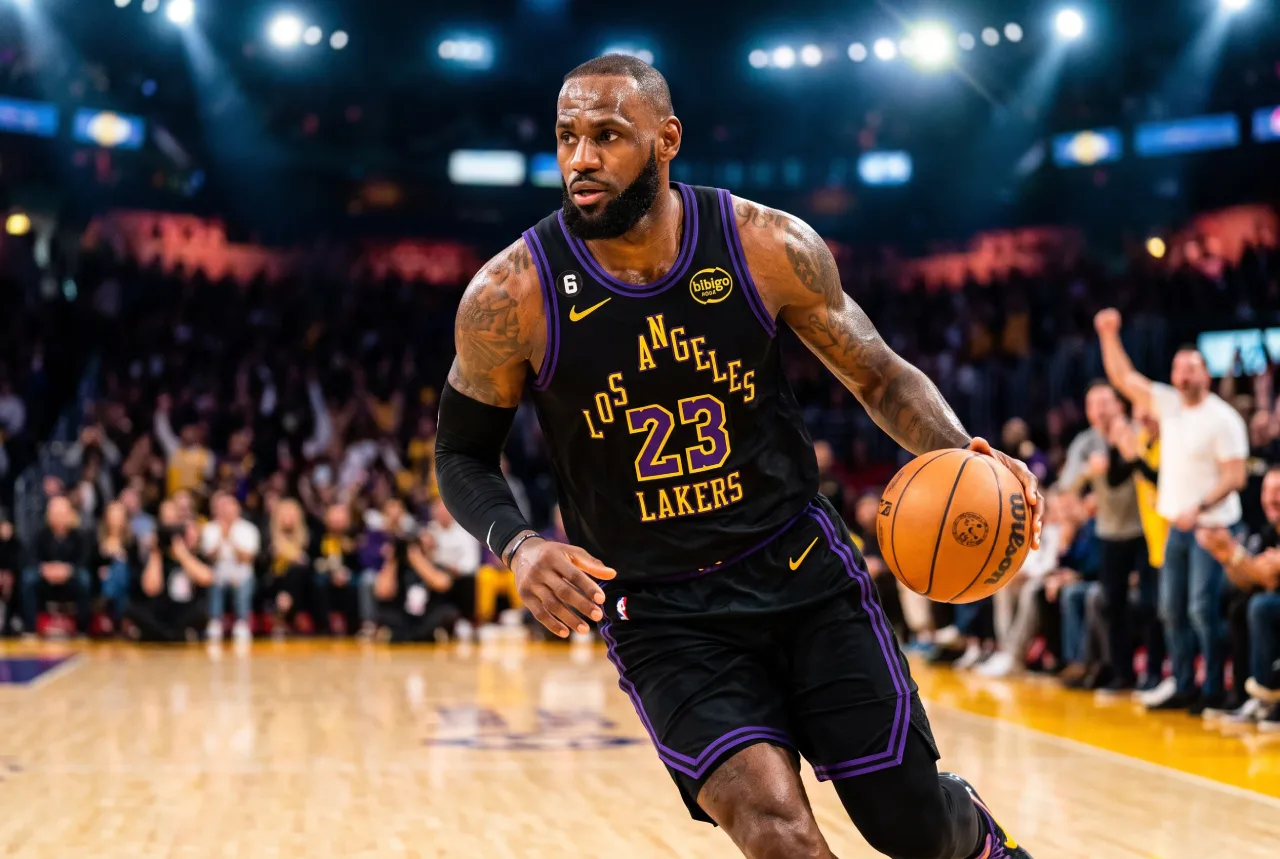
James’s wealth reaches well beyond his NBA salary. His production company, SpringHill, sold a minority stake at a $725 million valuation. His equity in Fenway Sports Group, which owns Liverpool FC, adds diversified holdings. Meanwhile, early investments like Blaze Pizza show a deliberate, long-term approach to building a portfolio.
Roger Federer
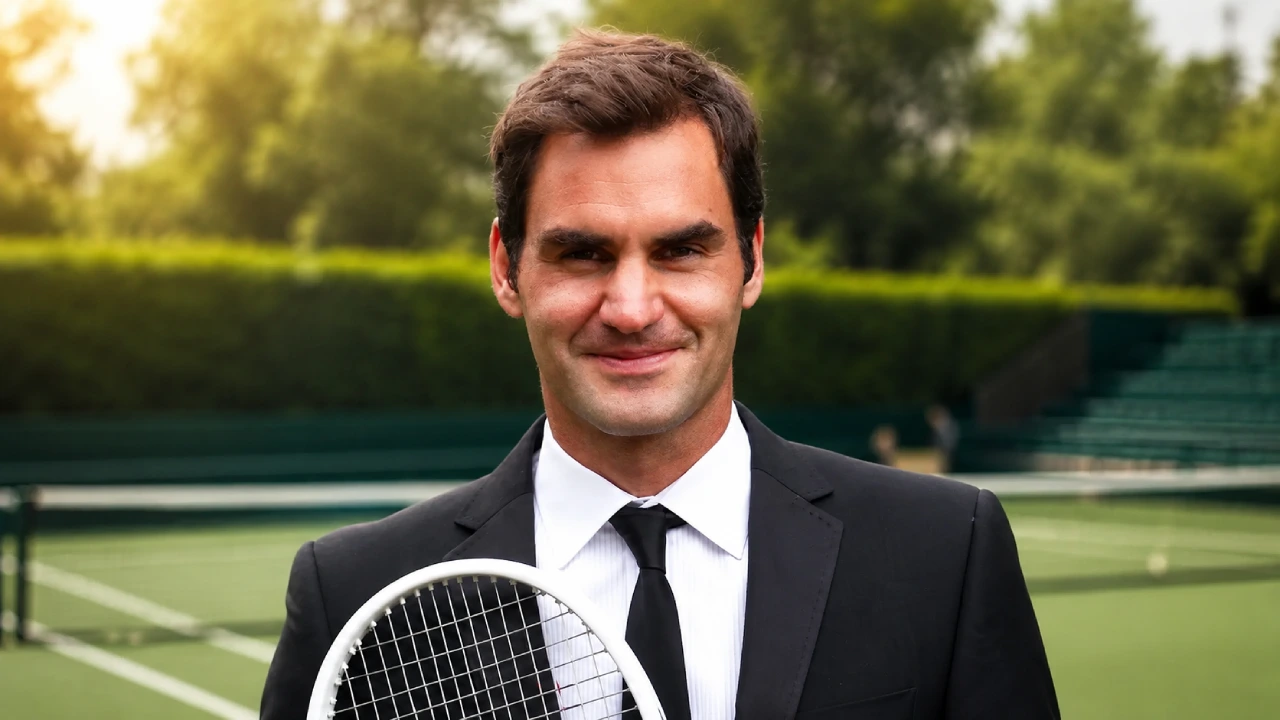
Federer moved from tennis earnings into real equity by taking a stake in the Swiss running-shoe company On, which went public in 2021 and is now worth hundreds of millions to him. He also negotiated his endorsement deals with equity components, not just flat fees — a key difference from many of his peers.
One to Watch: Selena Gomez
Selena Gomez hasn’t cracked the confirmed top 10 the way Spielberg or Lucas have, but she’s one of the clearest recent examples of the ownership pattern this list is built around. Her estimated net worth ranges from roughly $700 million (Forbes’ more conservative valuation) to $1.3 billion (Bloomberg, which added her to its Billionaires Index in 2024). This gap comes down entirely to how analysts value her stake in Rare Beauty, the cosmetics brand she launched in 2020. Gomez reportedly holds a majority stake, around 51%, and by most estimates the brand accounts for roughly 80% of her total wealth. In short, it’s the same story as Rihanna and Kardashian: a founder-owned consumer brand outgrowing years of acting and music income combined.
How They Built Their Wealth
The pattern across this list is simple: the richest celebrities own something. A film catalog, a beauty company, a stake in a running-shoe brand — ownership creates wealth that lasts long after a performer’s active years. Three mechanisms show up again and again.
Key wealth drivers:
- Intellectual property and catalogs — Film libraries (Spielberg, Lucas) and music masters (Swift, Jay-Z) pay recurring royalties, and owners can sell them as standalone assets.
- Operating businesses and equity stakes — Founders build and scale beauty brands (Rihanna, Kardashian, Gomez), production companies (Winfrey, James), and spirits brands (Jay-Z), often selling a partial stake at a high valuation.
- Brand partnerships with equity, not just fees — Jordan’s royalty-plus-stake deal with Nike and Federer’s On stake show how an endorsement can become an ownership position.
Fame opened the door in every case, but it never built the fortune by itself. Without an ownership stake, none of these celebrities would rank this high.
Endorsements vs. Ownership: Which Matters More?
Endorsement deals pay well, but the payments stop when the contract ends. Ownership, however, keeps paying — and growing — long after. Equity is what separates a celebrity billionaire from a celebrity who simply earns a high salary.
| Endorsement Income | Equity/Ownership | |
|---|---|---|
| Duration | Ends when contract ends | Continues indefinitely |
| Upside | Fixed fee | Grows with company value |
| Example | A flat sponsorship fee | Jordan’s Nike stake, Federer’s On stake |
Jordan and Federer illustrate this best: both moved from earning a flat fee to promote a brand, to actually owning a piece of it. That shift multiplied their wealth well beyond what any endorsement fee could deliver. In fact, the same principle explains the world’s actual richest actor. It’s not a household name from a blockbuster franchise, but Jami Gertz, whose $3 billion fortune comes almost entirely from her husband’s private equity firm and joint investments, not her acting career. Arguably, she’s the most extreme example of net worth being built through ownership rather than fame.
Wealth Patterns Across Industries
Different industries build celebrity wealth in different ways, but the same celebrity entrepreneurship and net worth pattern holds across all of them.
- Film: Wealth is catalog-driven. Spielberg and Lucas show how owning production companies and franchise rights creates multi-billion-dollar outcomes.
- Music: Touring cash plus catalog ownership. Swift’s re-recordings and Jay-Z’s master ownership both move away from relying on a record label — a pattern that shows up across the richest singers in the world.
- Sports: A shift from salary-first to equity-first. Jordan’s brand royalties and James’s team and media stakes show athletes turning career earnings into income-generating assets.
- Beauty and fashion: Kardashian, Rihanna, and now Gomez show how fast a celebrity-backed brand can reach unicorn status with the right corporate partner, low overhead, and viral marketing.
Across every industry, the celebrities who rank highest are the ones who kept meaningful ownership and control — not just a licensing fee for their name.
Why Entrepreneurship Matters
Ownership is what separates a celebrity billionaire from a celebrity who’s simply a high earner. Equity stakes appreciate over time. Catalogs pay out indefinitely. Brand ownership creates exit opportunities through acquisitions and IPOs that a salary never can. Ultimately, every name on this list understood that the platform, product, or intellectual property behind their fame was worth more than the next paycheck. That’s the real story behind celebrity entrepreneurship and net worth. It holds true even in newer creator economies: even the richest YouTubers built their fortunes on channel and brand ownership, not just ad-revenue salary.
Frequently Asked Questions
Who is the richest celebrity entrepreneur in 2026?
Steven Spielberg and George Lucas are tied at an estimated $5.5 billion each, topping the list. Both fortunes come from film catalogs and company ownership — Lucas primarily from selling Lucasfilm outright, Spielberg from ongoing royalties and equity in Amblin Entertainment.
Which celebrity has the highest net worth overall?
Among celebrity entrepreneurs, Spielberg and Lucas share the top spot. Both are worth more than any other name on the Forbes 2026 celebrity billionaire list.
How is celebrity net worth calculated?
Analysts add up the value of all assets — cash, equity, real estate, royalties, and business stakes — then subtract debts. Public company filings, known transactions, and reported valuations form the basis, but private holdings mean the numbers are estimates, not exact totals.
Is endorsement income or equity more important for building wealth?
Equity matters more over time. Endorsement fees are fixed and end with the contract. Equity — like Jordan’s Nike stake or Federer’s stake in On — grows as the underlying business grows, which is why it drives billionaire-level wealth in a way flat fees don’t.
Do endorsements alone make celebrities billionaires?
Not by themselves. Endorsement income is high but finite. What matters is whether the celebrity gets equity in the brand they promote, not just a fee for appearing in ads.
Why do some celebrities stay millionaires while others become billionaires?
The difference is ownership. Performers who rely on salary and standard royalties may earn well, but they miss the compounding growth that equity and business ownership provide — which is what separates a millionaire entertainer from a billionaire entrepreneur.
How reliable are the net worth estimates in this article?
They’re based on Forbes’ 2026 research, public filings, and documented deals, but they remain estimates. Private company valuations and market conditions can shift a celebrity’s net worth quickly, even without a new deal announcement.
Is Taylor Swift’s net worth mostly from music sales?
No. Her biggest wealth drivers are touring revenue — the Eras Tour alone brought in over $1 billion in ticket sales — and her decision to re-record her masters, turning her back catalog into an asset she fully owns and controls.
Who is the $3 billion actor everyone’s asking about?
It’s Jami Gertz, best known for The Lost Boys, not Robert Downey Jr., Tom Cruise, or Dwayne Johnson, despite what most people assume. Her fortune comes from her husband Tony Ressler’s private equity firm, Apollo Global Management, and their joint investments, including a stake in the Atlanta Hawks, rather than her acting income. She’s a useful reminder that “richest actor” rankings and “highest-paid actor” rankings measure two very different things.
What percentage of Americans have a $1,000,000 net worth?
Roughly 7–9% of U.S. adults have a net worth of $1 million or more, depending on the data source and year — around 24 million people. This puts these numbers in perspective: even the “smallest” fortune on this celebrity list, around $1 billion, is still roughly 1,000 times the millionaire threshold most Americans are working toward.
Final Takeaway
When it comes to celebrity entrepreneurship and net worth, ownership is the thread connecting every name on this list. The 2026 ranking shows that the richest celebrities aren’t necessarily the most famous. Instead, they’re the ones who moved early to own equity, catalogs, and brands instead of simply cashing appearance checks. As the celebrity billionaire list keeps growing each year, expect the same pattern to hold: the top spots will keep going to whoever owns the assets behind their fame, not just the fame itself.

