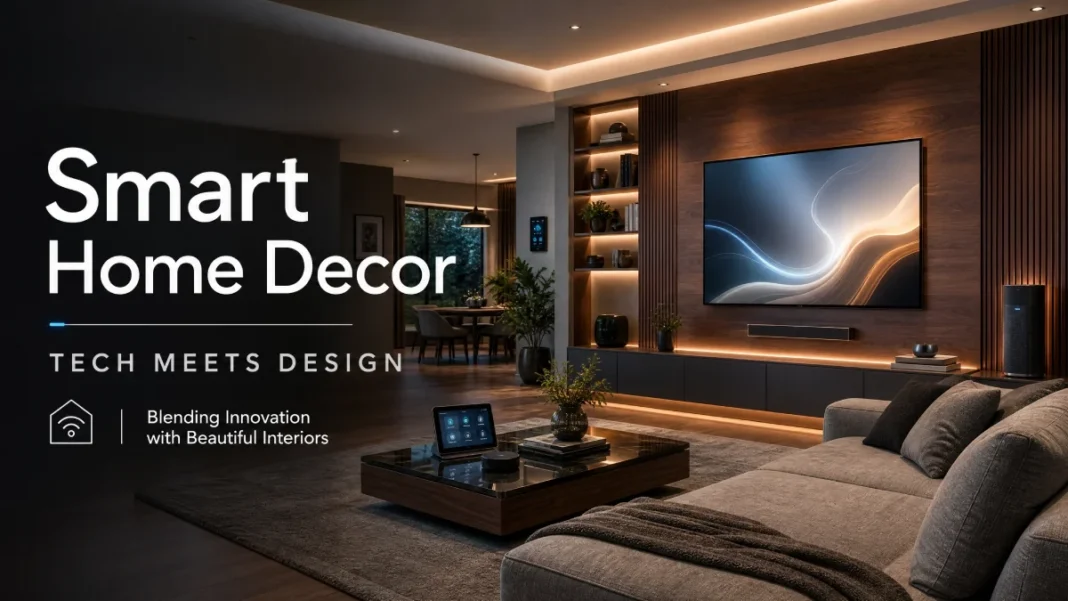
Imagine a home where every device works in perfect harmony, anticipating your needs and simplifying your life. Now picture that same home, free from tangled wires, bulky gadgets, and the visual clutter that accompanies modern technology. For many of us, the dream of a smart home clashes with the reality of unsightly cables and plastic boxes disrupting the elegant aesthetic we strive for. You’ve invested time and effort into creating a beautiful space, and the last thing you want is for technology to detract from it.
But what if you could have both? What if your smart home could be both intelligent and beautifully integrated? This is “Invisible Luxury”—transforming your living spaces into a blend of cutting-edge functionality and refined design.
Here, you’ll find practical solutions for integrating technology so it enhances your home’s character without stealing the spotlight.
The Art of Concealment: Hiding the “Ugly”
One of the biggest challenges in smart home design is managing the inevitable tangle of wires and the often-unattractive hardware that comes with our devices. With a little ingenuity, you can make these elements virtually disappear, allowing your carefully curated decor to shine.
Cable Management
Cables are the bane of a beautiful interior. They snake across floors, dangle from TVs, and create a visual mess that can undermine even the most thoughtful design. For wall-mounted televisions or lighting, consider cable raceways and concealers—brands like Legrand offer paintable options that blend with your walls. You can match them to your wall color with Benjamin Moore’s White Dove OC-17 for a crisp finish.
For areas with multiple devices, such as your home office or entertainment center, decorative boxes in natural materials like wicker or wood corral routers, power strips, and excess cords. These solutions keep your tech accessible but out of sight, maintaining a clean environment.
Hidden Hardware
Beyond cables, many smart home devices come with their own hardware—hubs, charging stations, and various small gadgets. The trick is to integrate them into your existing furniture and architecture. Built-in cabinetry works well here. Custom cabinets can house routers, smart hubs, and gaming consoles, keeping them accessible but invisible when not needed.
For a more immediate solution, recessed charging stations in desks or kitchen counters keep devices powered and surfaces clear. When technology becomes part of the design rather than an afterthought, your space feels intentional and uncluttered.
Tech as Art: Aesthetic Devices You’ll Want to Display
Not all technology needs to be hidden. Some smart devices are designed to be beautiful, blurring the lines between gadget and art. By choosing these aesthetically pleasing options, you can turn functional items into focal points that enhance your decor.
The Frame TV: Turning a Black Void into a Gallery Wall
The television often dominates a living room, becoming a large black rectangle when not in use. The Samsung Frame TV changes that, blending into your decor by displaying high-quality artwork or personal photos when turned off.
With customizable bezels that mimic traditional picture frames, it becomes part of your gallery wall rather than an intrusive screen.
Designer Sound: Speakers That Double as Decor
Modern audio technology pairs exceptional sound with striking design. Brands like Sonos, Bang & Olufsen, and Apple HomePod offer sleek, minimalist speakers in various finishes, from matte black to woven fabric.
These devices complement your furniture and color scheme while delivering room-filling sound. For a truly invisible audio experience, in-wall or in-ceiling speakers from brands like Sonance deliver rich sound without any visual footprint.
Smart Mirrors: The Futuristic Addition
A mirror that displays the weather, your calendar, or a workout routine while reflecting your image—smart mirrors are a sophisticated addition to bathrooms and entryways.
These mirrors often feature integrated lighting, touchscreens, and voice control, letting you access information hands-free while you get ready. Their sleek, reflective surfaces maintain a minimalist aesthetic, enhancing both utility and style.
The Invisible Atmosphere: Lighting and Ambiance
Lighting is one of the most powerful tools in interior design, capable of transforming the mood and functionality of any room. Smart lighting takes this further, allowing you to create dynamic, personalized atmospheres with effortless control.
Automated Scenes
With smart lighting systems like Philips Hue or Lutron, you can program custom lighting scenes that adapt to your daily routine. Wake to a gentle, simulated sunrise, transition to bright, cool light for focused work, and wind down with warm, dim tones in the evening.
This concept, known as circadian lighting, enhances your home’s aesthetic while supporting your well-being by aligning with your natural sleep-wake cycle. These automated transitions shape your comfort and productivity throughout the day.
Layered Light
Effective lighting design layers ambient, task, and accent light. Smart lighting systems—including decorative options like Nanoleaf panels—let you achieve this with precision. LED strip lighting tucked under kitchen cabinets or behind crown molding provides ambient glow without visible fixtures.
Smart spotlights highlight artwork or architectural features. The result is depth and visual interest that makes a space feel sophisticated, all while the technology stays hidden.
The Rise of Smart Furniture
As technology becomes more integrated into our lives, it’s also finding its way into the very fabric of our homes: our furniture. Smart furniture embeds technology seamlessly, providing convenience without adding clutter.
Multifunctional Pieces
Imagine a side table with built-in wireless charging for your phone, or a sofa with integrated controls for lighting and sound. These multifunctional pieces reduce the need for extra gadgets and cables.
Desks with hidden USB ports, beds with integrated smart speakers, and coffee tables that double as interactive displays show how smart furniture is evolving. Choose pieces where the technology feels like an organic extension of the furniture itself.
Avoiding the “Gadgety” Look
When selecting smart furniture, focus on design and material quality. Pieces with clean lines, natural textures, and a timeless aesthetic age better than overtly futuristic designs.
A wireless charging pad embedded in a wooden tabletop reads as far more elegant than a plastic charging dock sitting on top. The best integrations are the ones you barely notice.
Room-by-Room Tech Integration Guide
Integrating smart technology effectively means tailoring solutions to the specific needs and aesthetics of each room.
The Kitchen
Smart technology can make the kitchen more efficient and enjoyable. Samsung and LG offer smart refrigerators that manage your grocery list, and smart ovens from brands like GE Profile preheat remotely. Choose appliances with integrated designs that blend with your cabinetry.
For smaller devices like the Amazon Echo Show or Google Nest Hub, custom pull-out drawers or cabinet-door housings keep countertops clear.
The Living Room
Your living room should be a space for relaxation, free from visual distractions. Beyond the Samsung Frame TV, in-wall or in-ceiling speakers provide immersive audio without visible hardware.
For gaming consoles and media players, built-in media units with proper ventilation and cable management channels keep everything organized. A ceiling-recessed projector can descend only when movie night begins. The result is a sophisticated space where technology serves your entertainment needs discreetly.
The Bedroom
The bedroom should be a sanctuary for rest and rejuvenation. While smart tech can enhance comfort, avoid an overly digital feel.
Smart lighting that gently wakes you or sets a calming mood, hidden charging pads on nightstands, and a Nest Learning Thermostat or Ecobee that optimizes temperature for sleep—all of these support relaxation without distraction. The result is a serene environment where technology serves your well-being.
Future-Proofing Your Design
Technology evolves rapidly, and you want your smart home investments to stand the test of time. Future-proofing means considering the underlying infrastructure and choosing systems that offer flexibility and scalability.
The Infrastructure
A robust network is the backbone of any smart home. Invest in a mesh Wi-Fi system like eero, Google Nest WiFi Pro, or TP-Link Deco to ensure strong, consistent connectivity throughout your home, eliminating dead zones.
Also look for devices compatible with Matter, an open standard backed by Apple, Google, Amazon, and Samsung that unifies smart home devices across brands.
Matter runs on Thread, a low-power mesh protocol that improves device responsiveness and reliability. By prioritizing strong infrastructure and open standards, you build a smart home that adapts to future innovations without a complete overhaul.
Scalability
Start small and expand your smart home ecosystem thoughtfully. Begin with areas that offer the most immediate benefit, like smart lighting or climate control. As your needs evolve, you can add more devices, ensuring each new addition integrates with your existing setup. This approach prevents your home from becoming overwhelmed with gadgets and keeps every addition purposeful.
Conclusion
Your home reflects your personal style, and technology should enhance that reflection, not detract from it. By embracing the principles of “Invisible Luxury,” you can create a smart home that is both functional and beautifully designed. From concealing cables to choosing aesthetic devices and integrating smart furniture, every decision contributes to a cohesive living space.
The most sophisticated technology works quietly in the background, making your life easier and your home more beautiful. With these strategies, you can build a space where innovation and elegance coexist—without a single cable in sight.

